

What Could You Study If You Re Into Makeup
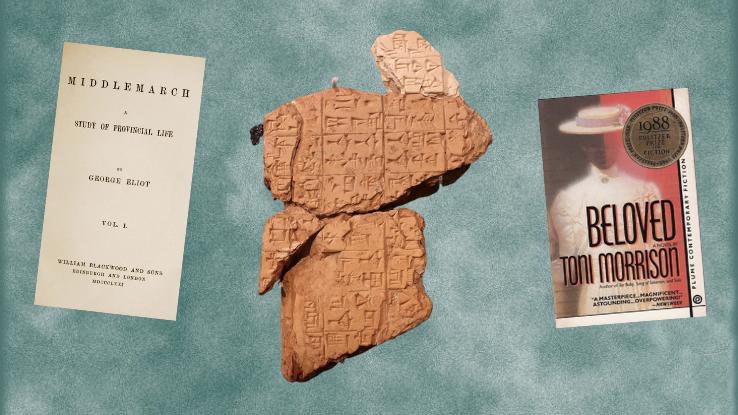
For many folks, the word "literature" conjures up memories of high schoolhouse English course reading lists. While the Western literary canon is expanding to include, and elevate, stories outside of what white, Western readers have dubbed "the classics," in that location are all the same some works that ingather upward in every pupil'due south career, from Frankenstein and the Epic of Gilgamesh to Beloved and The Swell Gatsby. So, why is literature important — and why do nosotros study it?
Merriam-Webster defines literature as poesy or prose that has "excellence of class or expression and expressing ideas of permanent or universal interest." While information technology may sound trite to say, the globe's greatest works of literature take changed minds, sparked rebellions, and helped to alter the course of history. While it would be impossible to contain all of literature's contributions and multitudes here, nosotros're going to have a look at some of the landmark moments in this art form's history.
Literature Transports U.s. To the Past
Like other recovered art objects, literature has the ability to tell the states about aboriginal civilizations. Not simply can we understand their customs, values and lives, simply nosotros can get a meliorate idea of what their amusement looked like. The first-known examples of literature can be traced back to ancient Mesopotamia. Around 3400 BCE, the Sumerians adult a system of writing called cuneiform, which immune scribes to record myths, hymns and poetry. Some of these primeval-known transcriptions include the "Kesh Temple Hymn" and the "Instructions of Shuruppak," both of which were written around 2500 BCE.
The Epic of Gilgamesh, a long-form Mesopotamian poem, was originally written around 2100 BCE. Even today, Gilgamesh is considered the commencement great masterpiece of world literature. In fact, much of the Bible parallels this ancient work, furthering emphasizing but how universal and influential Gilgamesh was — and continues to be today.
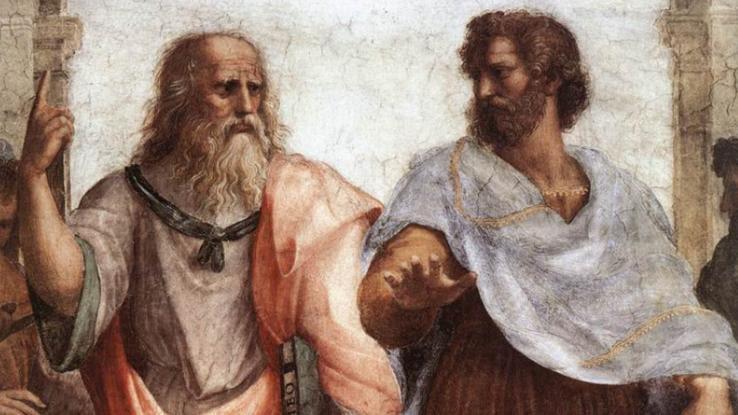
In 375 BCE, Plato, the Athenian philosopher, authored The Republic, a dialogue between Socrates and his young man Greek thinkers, which explores idea-provoking questions virtually justice, order and the only man. And, around the 8th century BCE, the landmark epics attributed to the poet Homer, The Odyssey and The Iliad, helped preserve Greek mythology and history in writing.
Literature Helps U.s.a. Reevaluate Our Worlds
Early, literature was contained inside poetry and dramatic works — afterwards all, performing plays was another smashing source of entertainment. During the 11th century, or the Heian period, Japanese noblewoman and lady-in-waiting Murasaki Shikibu penned The Tale of Genji, which is considered the first modern novel by many scholars.
Years later, in Europe, things started to shift in a meaningful style in the wake of Geoffrey Chaucer'south The Canterbury Tales, a drove of 24 stories written in Middle English between 1387 and 1400. Picking up the prose torch around 1485, Thomas Malory published Le Morte d'Arthur, one of the start novels in the Western catechism. During the Renaissance, writers like Molière began satirizing everything from the church building and government to society at large, showing that written works had the propensity to shift the balance of ability and make people rethink their world views.
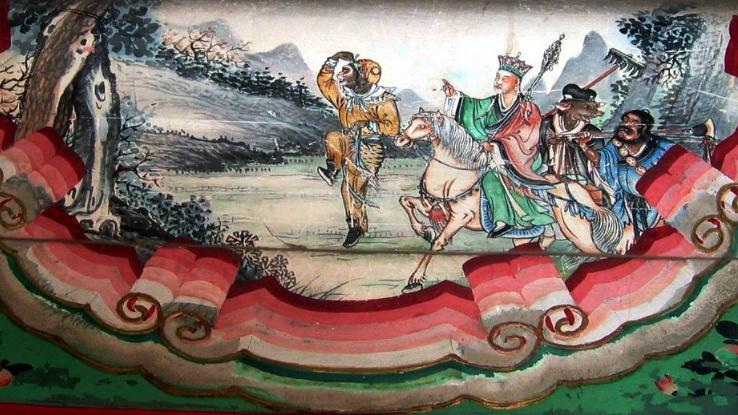
During the 16th century, also known as the Ming dynasty, the Chinese novel Journey to the West was published. Attributed to Wu Cheng'en, this satire- and allegory-filled work is considered one of the Four Bang-up Classical Novels of Chinese literature. Around the same time, William Shakespeare was helping to lay the foundations of modernistic English and craft the literary tropes and story formats we still enjoy today. And, of grade, in 1615 Miguel de Cervantes penned Don Quixote, a romantic, archetypal novel that'due south considered one of the most influential works of all time.
Literature Gives Folks a Voice and Platform — and Let's Readers See Themselves Reflected
Once again, it'south impossible to fully encapsulate the breadth of literary history here. Moreover, this article focuses on written works, merely it's important to annotation that many cultures and groups of people record stories through imagery instead — or laissez passer their stories downward in oral traditions. All of this to say, our view of literature is a narrow one, and, in many means, limited past the way educational institutions take shaped our agreement of what works are important.
James Simpson, head of Harvard Academy'southward English Department, spoke about these limitations directly in an open letter to the Wall Street Periodical entitled "Not bad Literature Magnifies Repressed Voices, Always." For Simpson, the ages-onetime Western literary catechism, which highlights the literary contributions of white (and often straight) men, "betray[s] the key function of literature and other art forms, which is to hear the voices repressed by official forms of a given civilisation."
Of course, the literary canon has been refreshed in past, which proves that it's important to reshape and rethink the stories we deem essential. For example, at the fourth dimension of its writing Nathaniel Hawthorne'south The Scarlet Letter of the alphabet was kind of the scandalous (easily consumable) HBO-like story of the day. But, now, it's largely considered a probing, essential work — not but entertainment. In the wake of World War I, authors similar Virginia Woolf and F. Scott Fitzgerald penned novels, similar Mrs. Dalloway and The Great Gatsby respectively, that captured their disillusionment first and foremost. Nevertheless, these proceed to be must-read works due to the way they exemplify craft and storytelling elements. (At least in role.)
More than modern literature also ushered in the more formal notion of literary sub-genres, ranging from science fiction — a genre created by Frankenstein author Mary Shelley — to romance, fantasy, and realism. By retracing certain tropes, conventions and character types, genre helps the states understand the way particular stories are shaped by categorizing them.
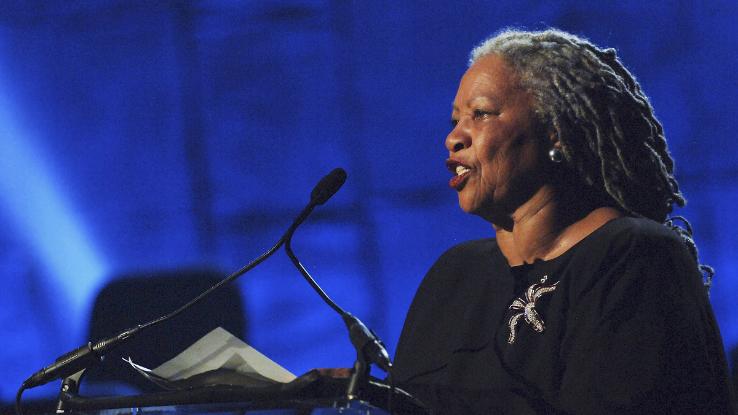
Without a doubt, literature helps the states uncover — be information technology an uncovering of the past, a present cocky, or a possible future. The most distinguished literary greats, similar Toni Morrison, Alice Walker, Margaret Atwood, James Baldwin, Kazuo Ishiguro, Chinua Achebe, Jhumpa Lahiri, Gabriel Garcia Marquez, Zadie Smith, and Maggie Nelson (and many, many more folks nosotros don't accept the space to name!), capture all of these facets. In short, by climbing into the minds of other characters and worlds — in stepping exterior of ourselves — literature allows us to understand universal truths; change minds; stir empathy; and express our identities and values in lasting, far-reaching ways.

What Could You Study If You Re Into Makeup,
Source: https://www.reference.com/world-view/importance-literature-society-1a66a3cd21a90dd8?utm_content=params%3Ao%3D740005%26ad%3DdirN%26qo%3DserpIndex
Posted by: rachelfloore.blogspot.com
0 Response to "What Could You Study If You Re Into Makeup"
Post a Comment